
Premium Vibro Sifter
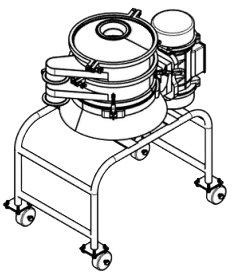
REINETTE VIBRO SIFTER (PREMIUM MODEL) - (PRVS)
The premium model of vibro sifter provide the functionality of
direct discharge which increase the output rate.
| MODEL | SCREEN SIZE | CAPACITY (KG/HOUR) |
MOTOR POWER (HP) |
MESH SIZE |
|---|---|---|---|---|
| RVS-12 | 12" | Upto 90 kg | 0.25 | #20-200 |
| RVS-24 | 24" | Upto 250 kg | 0.25 | #20-201 |
| RVS-30 | 30" | Upto 300 kg | 0.5 | #20-202 |
| RVS-36 | 36" | Upto 375 kg | 0.5 | #20-203 |
| RVS-48 | 48" | Upto 500 kg | 1.5 | #20-204 |
| RVS-60 | 60" | Upto 690 kg | 1.5 | #20-205 |
Salient Features:
Separation Performance and Capacity:
Number of decks: Determines the number of size fractions achievable (typically 1-6 decks).
Mesh size: Specifies the opening size of each sieve deck, defining the particle sizes separated.
Mesh material: Options like stainless steel, nylon, or woven wire cater to specific material compatibility and durability needs.
Capacity: Indicates the maximum material volume the sifter can handle per hour.
Separation efficiency: Refers to the accuracy of particle size separation and the amount of oversize/undersize material present in each fraction.
Vibratory System and Design:
Vibration type: Can be horizontal, vertical, or gyratory, impacting material movement and sieving efficiency.
Motor power and amplitude: Determine the intensity and effectiveness of the vibration.
Spring design: Influences vibration frequency and material flow across the screens.
Frame construction: Material and design impact sturdiness, durability, and noise levels.
Footprint and weight: Consider available space and portability requirements.
Additional Key Specifications:
Feeding systems: Options like screw feeders, vibratory feeders, or manual loading cater to different production scales and material properties.
Discharge systems: Gravity discharge, pneumatic discharge, or integrated conveyor systems facilitate efficient product collection.
Dust collection: Closed-loop systems with dust filters minimize dust emissions and ensure clean operation.
Cleaning and maintenance: Ease of disassembly and access to screens for cleaning is crucial.
Compliance and certifications: Consider specific regulations or standards your application might require.